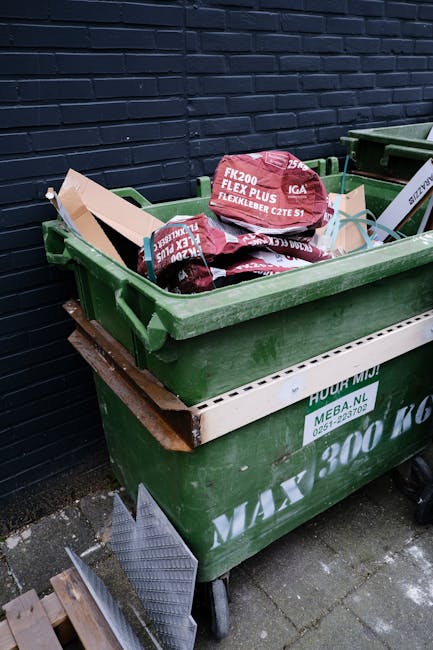
Rubbish disposal permits Plaistow what Newham Council charges

If you are trying to work out rubbish disposal permits Plaistow what Newham Council charges, you are probably at the point where the bins are full, the skip is looking likely, and you just want a clear answer without a lot of jargon. Fair enough. Whether you are clearing a flat near Plaistow station, tackling a house move, or dealing with builders' waste after a messy refurb, the permit question can be the bit that slows everything down.
This guide breaks it all down in plain English: what a permit is, why it matters, how Newham Council charges are usually worked out, what can affect the final cost, and when a different disposal option may make more sense. You will also find practical steps, common mistakes, and a simple checklist so you can move forward with a bit more confidence. No fluff. Just the useful stuff.
Why Rubbish disposal permits Plaistow what Newham Council charges Matters
A permit can be the difference between a smooth clearance and a frustrating delay. In Plaistow, many homes and businesses sit on busy streets, close terraces, narrow roads, or estates where space is tight. That means a skip or container cannot simply appear on the kerb and stay there without the right approvals.
Newham Council charges matter because they affect the real cost of disposal. People often focus on the skip price itself, then get caught out by extra costs for placing it on public land, needing a bay suspension, or extending the hire period. It is one of those situations where the cheap quote at the start can stop looking so cheap by the end. Annoying, yes. Avoidable, also yes.
There is also a practical side. If you place waste where it should not go, you can cause obstruction, complaints from neighbours, or enforcement issues. That is not the kind of attention anyone wants. The safer route is to understand the permit process before the waste starts piling up by the door.
Expert summary: If your waste container, skip, or vehicle will sit on public highway space in Plaistow, you should assume permission and charges may apply. If it stays entirely on private land, the permit question may be simpler, but you still need to check local rules carefully.
How Rubbish disposal permits Plaistow what Newham Council charges Works
In simple terms, a permit is official permission to place something on public land. That usually means the road, pavement, or another council-controlled area. The council needs to make sure the placement is safe, visible, and not causing a hazard. You may also see this discussed as a skip permit, highway licence, or temporary parking permission, depending on the setup.
The charge itself is usually separate from the waste removal price. In practice, the total cost may depend on several moving parts:
- the type of container or disposal method being used
- whether it sits on a public road or private property
- how long it needs to stay in place
- any parking or traffic restrictions in the area
- administrative fees linked to the application
For some jobs, this is straightforward. For example, a front garden with enough space may avoid permit costs entirely. For others, especially in tighter Plaistow streets, a permit may be essential. And if the street is busy at school run time or during rush hour, councils tend to be more cautious. Quite rightly, too.
One thing people miss: the permit may not be the only local factor. If a collection lorry or skip lorry cannot access the road easily, or if parked cars block loading, your timing and method matter just as much as the paperwork. Little details, big difference.
Key Benefits and Practical Advantages
Getting the permit question right saves more than just stress. It can improve the whole job from start to finish.
- Clear budgeting: You get a more realistic idea of the total disposal cost before work starts.
- Less risk of delays: No waiting around for a last-minute decision or a refused placement.
- Better neighbourhood relations: Properly managed waste is less likely to upset neighbours or block access.
- Lower chance of penalties: Following the rules helps avoid enforcement problems or extra charges.
- Cleaner project planning: Trades, movers, and clearance crews can work around a clear schedule.
There is also a less obvious benefit: confidence. Once the permit side is sorted, everything else tends to feel easier. The room empties faster, the hallway looks less chaotic, and you can start seeing the end of the job instead of the middle of the mess. That matters more than people admit.
If you are dealing with a larger clearance, it can help to think beyond just disposal. For instance, a property clean-out may also involve old furniture, loft items, garage contents, or bulky waste. In those cases, services such as house clearance, flat clearance, or loft clearance may be more practical than trying to organise everything as one-off waste drops.
Who This Is For and When It Makes Sense
This topic is relevant for quite a few people in Plaistow, not just those ordering skips. If you are wondering whether you need a permit or just a regular collection, these are the common situations:
- Homeowners clearing a property: Ideal when bulky rubbish, old fixtures, or general household waste need removing.
- Landlords and letting agents: Useful after tenants leave furniture, bin bags, or mixed rubbish behind.
- Builders and renovators: Often needed for rubble, timber, packaging, and fit-out debris.
- Business owners: Helpful if office or shop waste needs removing without blocking the street.
- Residents without private driveway space: Usually the group most likely to face permit questions.
It also makes sense if you are comparing disposal methods. If the waste is awkward, heavy, or mixed, a permitted skip may be one option, but it is not always the best one. Sometimes a direct collection from a team offering waste removal is simpler. Other times, especially if the items are mainly reusable furniture, a specialist service such as furniture disposal or furniture clearance can be cleaner and faster.
Truth be told, most people do not care about the permit in itself. They care about getting rid of the stuff without a headache. That is the real job here.
Step-by-Step Guidance
If you want to handle the process sensibly, the best approach is to work through it methodically. No rush, no guesswork.
- Identify the waste type. Is it general household rubbish, heavy builders' waste, garden waste, office clearance material, or a mix?
- Decide where the waste container will sit. Private driveway or garden? If yes, you may avoid the permit layer. Public road? Expect permit considerations.
- Check local access constraints. Think about parking pressure, width of the road, school traffic, and whether a lorry can safely reach the spot.
- Request a clear quotation. Ask for the disposal price, any permit-related charges, and whether those costs are included or separate.
- Confirm the timeframe. Don't assume the permit or hire period can be extended automatically. Extension costs can creep in.
- Choose the right service type. For some jobs, a skip is fine. For others, a man-and-van style clearance or same-day collection may be more efficient.
- Prepare the waste safely. Keep sharp items, heavy loads, and reusable items separated where possible.
- Book in advance. Especially in tighter London areas, waiting until the last minute can leave you short on options.
A useful habit is to take a quick look at the waste pile the day before the collection. You would be surprised how often a stack of "just a few bags" turns into three chairs, two broken wardrobes, and a mysterious metal thing nobody remembers buying.
Expert Tips for Better Results
These are the small things that make a big difference in real jobs. They are not glamorous, but they save time and money.
- Measure the space properly. A permit is one thing; actually fitting the container is another.
- Keep access clear. If a crew needs to drag items through a narrow passage or around parked cars, the job slows down quickly.
- Separate reusable items early. Furniture, appliances, and salvageable goods can often be handled differently from general rubbish.
- Check whether the waste is mixed. Builders' waste, garden waste, and household waste can have different handling requirements.
- Ask about recycling. A good clearance plan should not be blind to reuse and recycling. If sustainability matters to you, have a look at recycling and sustainability.
- Keep communication simple. One clear photo of the waste area can often solve more than ten messages.
In our experience, the jobs that go best are the ones where the customer has already thought through access, timing, and what is actually going. Nothing fancy. Just a bit of preparation, and the whole thing breathes easier.
Common Mistakes to Avoid
Most permit problems are not dramatic. They are usually small oversights that snowball. Here are the big ones to avoid.
- Assuming a permit is optional: If the container is on public land, do not guess.
- Forgetting separate charges: The council fee, the hire fee, and the collection fee may not all be bundled together.
- Using the wrong service: A skip may not be the best fit for a quick, mixed household clearance.
- Leaving booking too late: Lead times can matter, especially when permits or parking space are involved.
- Not checking the loading area: A blocked road can cause delays even when the paperwork is fine.
- Ignoring site safety: Broken glass, nails, or unstable furniture should be handled with care.
Another common one: people order disposal for one category of waste, then quietly add a second type later. Builders' debris appears next to the old sofa. Garden clippings turn up with plasterboard. It happens all the time, and yes, it can affect the way the job is quoted. Best to be upfront from the start.
Tools, Resources and Recommendations
You do not need a complicated toolkit to manage rubbish disposal well. You need clarity, a tape measure, a phone camera, and a basic plan. That is often enough.
Useful practical resources on this site can also help you decide which type of clearance fits your job best. For example:
- builders waste clearance for renovation debris, rubble, and site waste
- garden clearance for branches, clippings, soil, and outdoor waste
- garage clearance for stored clutter, old tools, and bulky mixed items
- office clearance for desks, filing, office chairs, and commercial move-out waste
- home clearance for whole-property or partial domestic clearances
For pricing conversations, the most valuable recommendation is simple: ask what is included before you agree. That means permit fees, labour, loading time, and whether special handling applies. Clear questions get clear answers. Usually.
Law, Compliance, Standards, or Best Practice
When rubbish disposal touches public land, road space, or controlled waste, best practice matters. You do not need to become a legal expert overnight, but you should understand the broad principles.
In the UK, waste must be handled responsibly, and businesses involved in disposal should act in line with relevant environmental and safety obligations. That means:
- waste should be collected and transported safely
- hazardous or awkward materials should be identified early
- public highways should not be obstructed without the proper permissions
- workers should follow sensible health and safety procedures
For a customer, the practical takeaway is straightforward: do not leave the permit side vague. If a collection or container might sit on the street, ask what approvals are needed and how they are handled. A transparent service should be able to explain the process in plain language.
It is also worth checking basic safety and insurance expectations, especially on bigger jobs or shared access properties. If you want to understand how a provider approaches these matters, the pages on health and safety policy and insurance and safety can be a useful starting point.
Options, Methods, or Comparison Table
If you are trying to choose the best disposal route, the main decision is not just cost. It is convenience, access, timing, and how much control you want over the process.
| Option | Best for | Permit likely? | Key upside | Common drawback |
|---|---|---|---|---|
| Skip on public road | Larger clearances with enough waste to justify it | Usually yes | Can hold a lot of waste in one place | Permit charges and access restrictions |
| Skip on private drive or forecourt | Homes or sites with good off-road space | Usually no | Fewer council-related costs | Needs physical space and safe access |
| Man-and-van waste removal | Mixed waste, smaller loads, quick turnarounds | Usually no | Fast, flexible, less paperwork | May require sorting and loading assistance |
| Specialist clearance service | Furniture, homes, offices, lofts, garages | Usually no if collected from private premises | Tailored to the property and contents | Needs a clear brief to get the most value |
For many Plaistow residents, the smartest answer ends up being a collection service rather than leaving a container on the street. Especially where parking is tight. Sometimes the simple route is the best one. Not every job needs a giant skip sitting outside for a week.
Case Study or Real-World Example
Here is a realistic example from the kind of situation people face all the time. A family in Plaistow is clearing a two-bedroom flat after a move. There are broken shelves, a mattress, a few bags of household waste, and an old wardrobe that will not fit in the lift. The road outside is narrow and usually half full of parked cars.
The first thought is often, "We'll just get a skip." But once access is checked, it becomes clear that placing a skip on the street would likely involve permit costs and extra planning. Instead, the family decides to use a direct clearance approach, separating what can be reused from what needs disposal. The job is done quickly, the hallway stays usable, and nobody has to spend days worrying about permit timing.
Now compare that with a small builder refurbishing a bathroom on the same kind of street. There is rubble, broken tiles, and packaging. In that case, a permitted container might actually make sense if the waste volume is steady and the project runs over several days. Different job, different answer. That is the point.
One rainy Wednesday morning, after a three-storey house clearance, the difference between "planned properly" and "we'll sort it later" becomes obvious. The planned job finishes quietly. The other one leaves everyone standing in the doorway looking tired. You know the type.
Practical Checklist
Use this before you book anything.
- Have I identified the waste type clearly?
- Will the container or collection vehicle stay on private land or public land?
- Do I know whether Newham Council charges may apply?
- Have I asked if permit costs are included in the quote?
- Is the access route wide enough and safe enough?
- Have I checked for parked cars, narrow entrances, or timed restrictions?
- Have I separated reusable items from general rubbish?
- Do I know the collection date and time window?
- Have I asked about insurance, safety, and loading responsibility?
- Am I choosing the disposal method that best fits the job, not just the cheapest headline price?
If you can tick most of those off, you are already in a much stronger position than most people who rush into the first quote they see.
Get a free quote today and see how much you can save.
Conclusion
Rubbish disposal in Plaistow is rarely just about taking things away. The permit question, the access issue, and the Newham Council charges all affect the final experience. Once you understand how those pieces fit together, the whole process becomes much easier to manage.
The main thing is not to guess. Check where the waste will sit, confirm whether a permit is needed, ask about all charges up front, and choose the method that suits the property and the load. Do that, and you will avoid most of the usual headaches. Honestly, that is half the battle.
If you want a smooth, no-nonsense way to handle clearance in Plaistow, start with the right information and a realistic plan. The rest tends to fall into place.
Frequently Asked Questions
Do I need a permit for rubbish disposal in Plaistow?
If the skip, container, or waste setup will go on a public road or council-controlled space, a permit is usually likely. If everything stays on private land, you may not need one. The exact situation matters, so it is worth checking before booking.
What does Newham Council charge for rubbish disposal permits?
Charges can vary depending on the permit type, duration, and placement. It is best to ask for the current council-related charge as part of a full quote rather than assuming a fixed price.
Is a skip permit different from a waste removal fee?
Yes. A permit is permission to place the skip or container on public land. The waste removal fee covers the collection and disposal service itself. They are often separate costs.
Can I put a skip outside my house in Plaistow without permission?
Not safely, and not usually legally if it is on public land. That is exactly where permits matter. Private land may be different, but you should still confirm access and placement before arranging it.
How long does a rubbish disposal permit last?
That depends on the arrangement and the council rules tied to the permit. Some are short-term, while others can be extended. Ask about the duration before you commit, because overrun charges can catch people out.
What if I only have a small amount of waste?
For smaller loads, a skip may be overkill. A direct waste removal or small clearance service may be more efficient and could avoid permit costs altogether.
Are garden waste and builders' waste handled differently?
Often, yes. Garden waste, rubble, timber, and mixed refurbishment waste can be handled differently in practice. It is best to describe the material clearly so the right method is chosen.
Can I save money by using a private driveway?
Often you can, because placing a container on private land may avoid permit charges. But you still need enough space, and the area has to be safe for delivery and collection.
What happens if I get the permit wrong?
You may face delays, extra fees, or enforcement issues. It is usually much cheaper and less stressful to confirm the details before the waste arrives.
Is it better to choose a skip or a full clearance service?
That depends on the waste type, volume, access, and how hands-on you want to be. A skip suits some larger, steady jobs. A clearance service is often better for mixed items, awkward access, or when you want less disruption.
Do I need to sort everything before collection?
You do not always need to sort every item, but separating reusable items, hazardous materials, and general waste helps the job go more smoothly. It can also support recycling where appropriate.
How do I get the most accurate quote?
Give a clear description of the waste, the access route, and whether the load will be on private or public land. Photos help too. The more specific you are, the less likely the quote is to shift later.